From its accidental discovery on a Greek island in 1820 to its missing parts to its relocation from the Louvre during World War II, the Venus de Milo has had a dramatic history.
picturelibrary / Alamy Stock PhotoTheVenus de Milosculpture inside the Louvre Museum in Paris .
Despite being incomplete , theVenus de Milois one of the most illustrious art pieces of all time . This iconic armless carving dates back to the Hellenistic Period ofancient Greece , about 2,200 years ago , on the island of Melos .
Rediscovered in 1820 , the carving was an immediate sensation when it come at the Louvre Museum in Paris , France , celebrated as much for its imperfections as for its exquisite craftsmanship . And theVenus de Milo’sturbulent chronicle is just as fascinating as the carving itself .

picturelibrary/Alamy Stock PhotoTheVenus de Milosculpture inside the Louvre Museum in Paris.
The History Of TheVenus De Milo
In 1820 , French Navy officer Olivier Voutier sail to Melos , a Greek island in the Aegean Sea that at the time was under Ottoman formula . An amateur archaeologist , Voutier had come to the island in search of ancient Greek antiques — and stumbled upon the find of a lifetime .
On April 8 , 1820 , a farmer named Yorgos Kentrotas was rummaging for I. F. Stone in the ruins of an ancient city on the island when he uncovered a fragmented marble statue of a half - nude charwoman . Voutier , who had been research for antiquity nearby , issue forth upon the scene and was amazed at the discovery .
Library of CongressThe Statuary Hall leading to theVenus de Miloin the Louvre Museum . C. 1900 .

Library of CongressThe Statuary Hall leading to theVenus de Miloin the Louvre Museum. C. 1900.
Convinced of its legitimacy , Voutier contacted the Comte de Marcellus , repository to the French ambassador to the Ottoman Turks . Together , the two men organized the sale of the statue , ultimately give 250 franc to local officials and another 750 to Kentrotas .
In February 1821 , theVenus de Miloarrived in Paris , where it was redeem to King Louis XVIII as a gift . Soon after , the big businessman donated the carving to the Louvre .
The museum ’s film director , the Count de Forbin , was ecstatic about the find . ab initio , Forbin believed that the carving dated to Greece ’s Classical period ( c. 510 to 323 B.C.E. ) . However , that was n’t the case .

Chosovi/Wikimedia CommonsTheVenus de Milowas created by the artist Alexandros of Antioch.
Researchers soon determined that a base discover with theVenus de Milobore an dedication that read “ Alexandros , Word of Menides , citizen of Antioch of Maeander made the statue . ” Very small was known about Alexandros of Antioch , the carving ’s creator . However , Antioch was not institute until about 280 B.C.E. , mean the statue in all probability dated to the Hellenistic era .
discomfited that theVenus de Milodid not go to the more well-thought-of Classical stop , the Louvre pay scholars to publish penning assert that the carving had come from the school of the Classical artist Praxiteles — a prevarication that the museum maintained for over 130 age , accord toSmithsonian .
In the years since , the inscribed base has gone missing , only adding to the enigma environ the enigmatic sculpture .
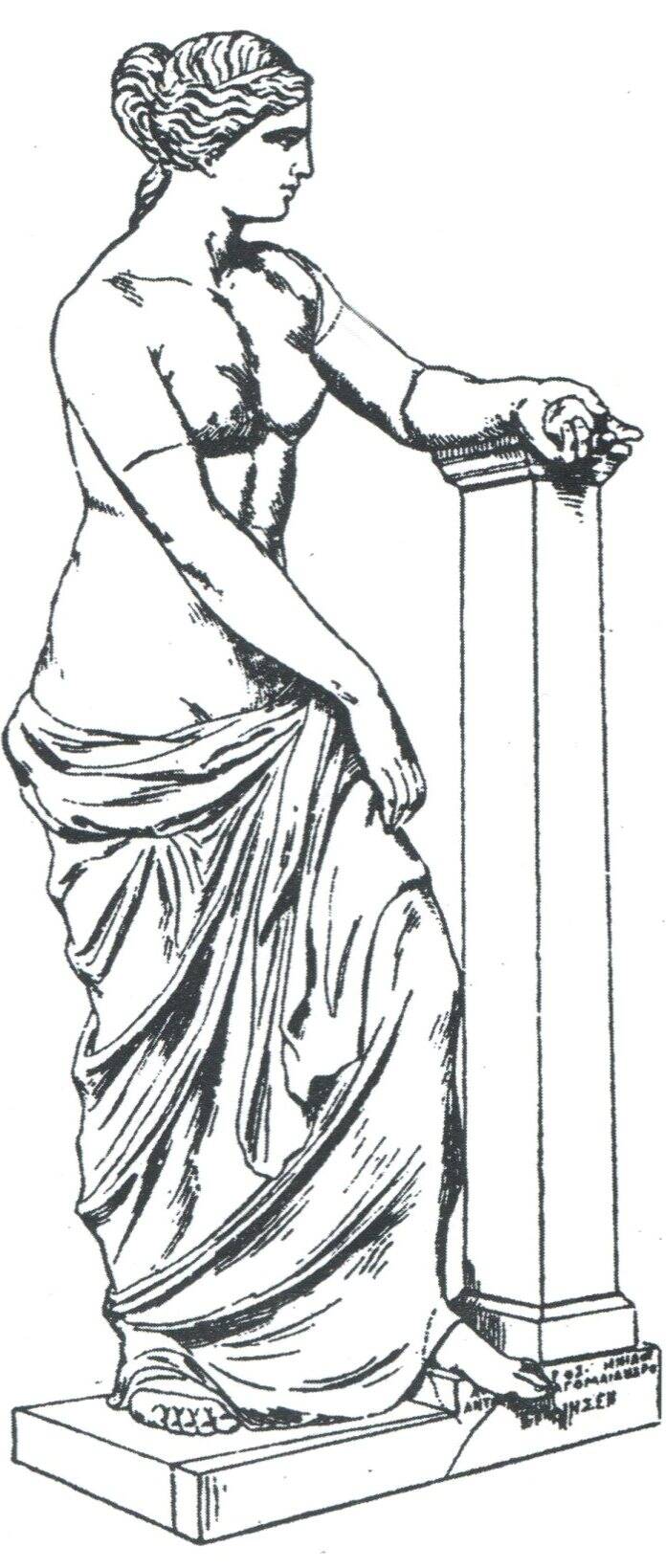
Public domain/Wikimedia CommonsAn imagined reconstruction of theVenus de Miloby Adolf Furtwängler. 1893.
TheVenus De Milo’sMissing Pieces
Chosovi / Wikimedia CommonsTheVenus de Milowas created by the artist Alexandros of Antioch .
tolerate an imposing six human foot and eight inch improbable , theVenus de Milowas craft from marble , plausibly sometime in the 2nd century B.C.E.
In its heyday , the statue would in all likelihood have been vibrantly paint , though the colour have languish over time . The statue also show signs that it was once adorned with jewelry , including an armband , earrings , and a headband .

French Ministry of CultureWorkers transporting the Venus de Milo as part of the evacuation of the Louvre.
The carving ’s sleeve were missing when it was find , leaving its original form a mystery . However , Gregory Curtis compose in his 2003 bookDisarmed : The Story Of The Venus de Milothat Yorgos Kentrotas , the sodbuster who found theVenus , subsequently unveil extra pieces , including a marble helping hand holding an orchard apple tree , a segment of a seriously damaged arm , and quadrangular column with a carved heading on the top .
Public demesne / Wikimedia CommonsAn imagined reconstruction of theVenus de Miloby Adolf Furtwängler . 1893 .
To this twenty-four hour period , experts are still unsure who the statue was think of to depict . Many student think she representsAphrodite , theGreek goddessof love and fertility . If that is the case , the apple could be a reference to “ the Judgement of Paris , ” a story from Greek mythology in which Paris , the prince of Troy , gives Aphrodite a golden apple .
However , the people of ancient Melos in particular revere Amphitrite , the wife of Poseidon . It ’s potential that the statue was in fact intend to observe the sea goddess rather than Aphrodite .
The Evacuation Of The Louvre
For decades , theVenus de Milostood in the Louvre , enthralling coevals of audience and steadily becoming one of history ’s most celebrated carving .
But in 1939 , the threat of World War II was fleetly making its way to Paris . Desperate to conserve its ample collection , the Louvre ’s curators devised a plan to veil theVenus de Miloand other valuable art slice frompillaging Nazis .
Thus began a massive surgical procedure to evacuate the Louvre . On Aug. 25 , 1939 , officials closed the museum for “ restoration ” as prole begin covertly packing yard of its most prized and fragile work into wooden crates and load up them into trucks . convoy of about 200 trucks transported the piece to various safe locations throughout France , admit palaces , abbey , and museums .
TheVenus de Milowas shipped to the Château de Valençay in central France . According toTheCollector , the museum even put back the sculpture with a plaster replication , which recognize the Nazis when they arrived in 1940 .
French Ministry of CultureWorkers enrapture the Venus de Milo as part of the excretion of the Louvre .
Because of these efforts , theVenus de Milolived to see another day . Paris was liberated in 1944 , and after the warfare ultimately ended , theVenus de Miloreturned to the Louvre .
Today , the statue remain one of the Louvre ’s most cherished artefact , all the more beloved for her imperfections .
“ TheVenus de Milois an inadvertent surrealist masterpiece , ” art critic Jonathan Jones wrote forThe Guardianin 2015 . “ Her lack of munition makes her strange and dreamlike . She is perfect but imperfect , beautiful but busted — the organic structure as a laying waste . That sense of enigmatic rawness has translate an ancient work of art into a mod one . ”
After reading about theVenus de Milo , plunk into these33 ancient history factsyou definitely did n’t find out in school . Then , register about theseven wonders of the ancient world .
