When you purchase through links on our site , we may pull in an affiliate commission . Here ’s how it works .
In the animal realm , predators trust on their cunning to capture prey . From inescapable traps to delusory lures , here are some of the animals with the most crafty elbow room of capturing their prey .
Flashing lures
InChina , the common eyeball - weaving wanderer , Araneus ventricosus , hijack the calorie-free signals of fireflies to entice quarry to its internet .
Fireflies use radiate beat to communicate , especially during mating season . These signals are produced in lanterns at the end of their abdomen . InAbscondita terminalis , the males make multi - pulse flashes from two segments and females make individual pulse signal from a individual section .
A. ventricosustakes advantage of this to make another meal .. The spiderensnares the maleand inject its venom into the middle section of its soundbox . This squeeze the firefly to emit single heartbeat that mime the flash of females , lure more male person to the web .
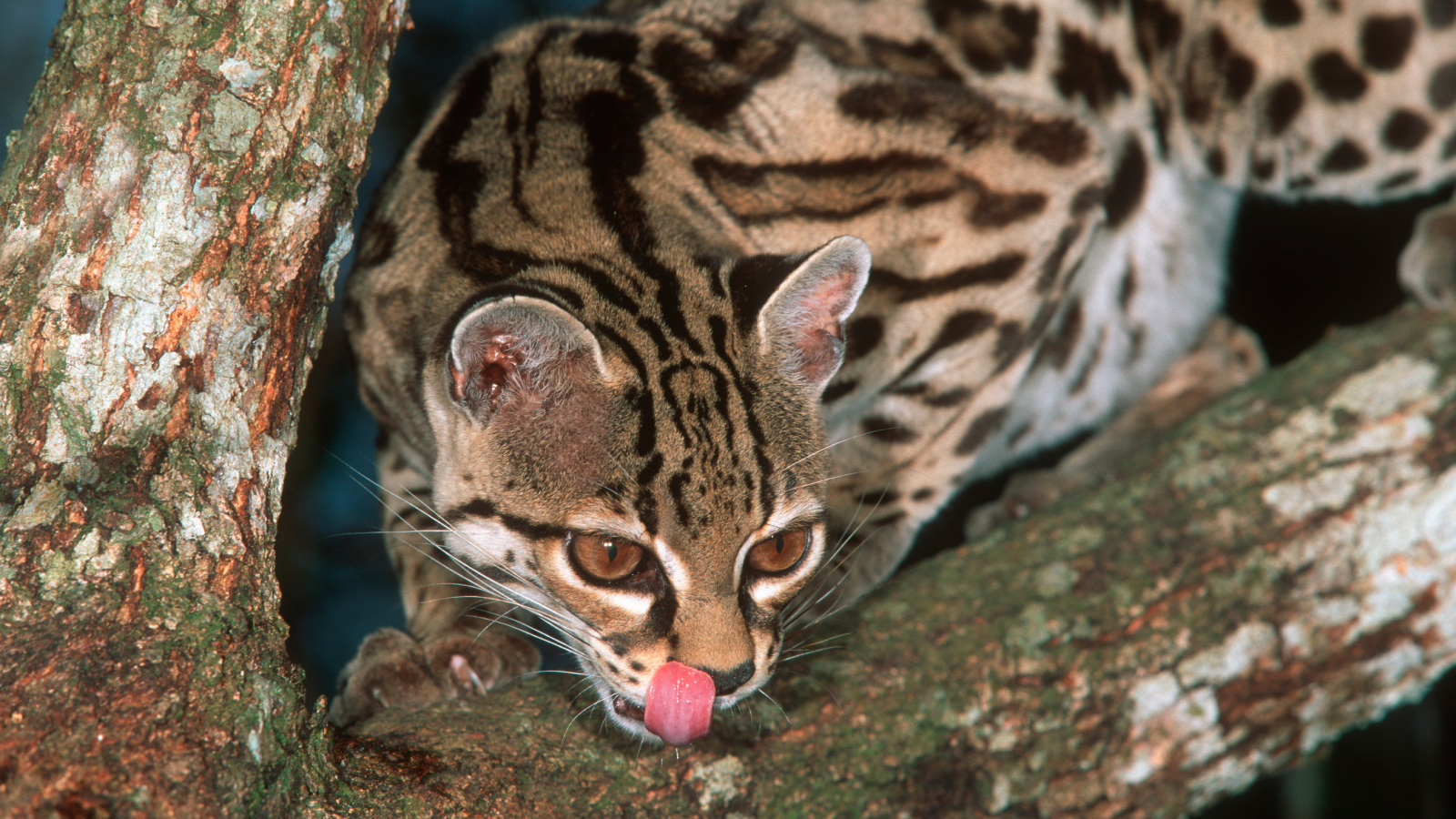
Shrieking cries of the Margay (Leopardus wiedii)mimic infant pied tamarin monkeys (Saguinus bicolor).
The cuttlefish hypnotist
Among coral Rand in the Indo - Pacific ocean , broadclub cuttlefish hypnotize their target with ruffle Inner Light display that play on the hunters ’ skin .
Like other cephalopods , the broadclub cuttlefish ( Sepia latimanus)uses specialized skin mobile phone , call chromatophores , to alter the color and texture of its body so it can blend in with its surroundings .
When hunting for Pisces and invertebrates , the Pisces create a serial of contrasting rhythmic bands of colouration along their body . This may stun their prey as the cuttlefish creeps closer , fit in to a2017study . The cuttlefish then hit out its alimentation tentacles to pull the KO’d prey into its peck oral fissure .

Spider (Araneus ventricosus) wrapping male firefly (Abscondita terminalis), exhibiting visible flashing from its lanterns.
The broadclub cuttlefish is also thesecond largest cuttlefish speciesand weighs in excess of 22 pound ( 10 kg ) .
Crocodiles that lure with sticks
alligator and crocodile may balance stick on their neb to lure birds look for nest - building material .
investigator observed this behavior in American alligator ( Alligator mississippiensis ) at gator parks in Louisiana . Alligators position the sticks on their heads , lie in in hold for a singular bird to come within reach and thenpounce .
This behavior occurred most often in pop training grounds for chick andwas only reckon during the nesting season from March to May .

Broadclub cuttlefish mesmorizes its prey by pulsating colour along body.
Hidden trapdoors
Trapdoorspidersare Edgar Lee Masters of ambush and surprise . They work up underground burrows where they posture and await for unsuspecting quarry to wander close by .
The best - know trapdoor spiders are those in the familyCtenizidaethat build silken , hinged door above their burrow . They dig up their tunnels beneath busybodied insect walkways and camouflage them with leaves and dirt .
The spider sits patiently hold the hinge doorway slimly open , waiting to detect the quivering from an insect crawling . Then , the spider quickly jump out of its tunnel , capturing its repast with its front leg and pedipalps — antennae - alike appendages close to its back talk .

Alligators and crocodiles use small sticks to attract birds looking for nesting materials.
These wanderer share features with their tight relatives thetarantulas ( Theraphosidae)but are less hairy and much lowly in size .
Bubble-blowing nets
Largehumpback giant ( Megaptera novaeangliae)swim in a Mexican valium beneath shoal of fish , releasing bubbles to form a " mesh " that surround the Pisces , trapping them in condense groups . The whales then wreak together to force the Pisces faithful to the surface before taking agulp .
This hunting method is know as"bubble - net feeding"and is learned among different group and can change slightly between population ofwhales .
Related : Cannibal animals : 12 creatures that gobble up their own form

Not all species of trapdoor spiders build silk hinged doors above their underground burrows.
Ambush and dismember
Antscan also do amazing thing when they work together .
Azteca brevisis an ant species found only in tropical Central America . They build their disgraceful and crusty nests outwardly along the plant stanch of little to average size of it tree .
The prole antsbore several yap along these nest , called cartons , and surreptitiously position themselves straight off underneath with their mandibular bone undetermined . The workers then catch onto the limbs of unsuspecting insects as they take the air across the holey stems . They carry down and immobilize the insect before cutting it into little pieces .

Bubble net feeding is a complex behavior that is learned among different pods.
Lasso-slinging
One spider takes a varlet from Wonder Woman to snag its prey . Meet the distaff bolas spider ( Mastophorahutchinsoni ) , a marauder that spins asticky Orlando di Lasso to capture her prey .
The huntress raise achemical odorthat mime the pheromones of distaff moths , lure in virile moths . When the male moths are in sight , the spider creates a long string of silk with a awkward guild - shaped remnant to hurl at the moth ’s backstage in mid - air .
The distaff spider are relatively great , reaching up to 0.8 inch ( 2 cm ) and have huge and distinct lily-white abdomen with protrusion , in all likelihood because they require the ponderousness to take down their hefty quarry .
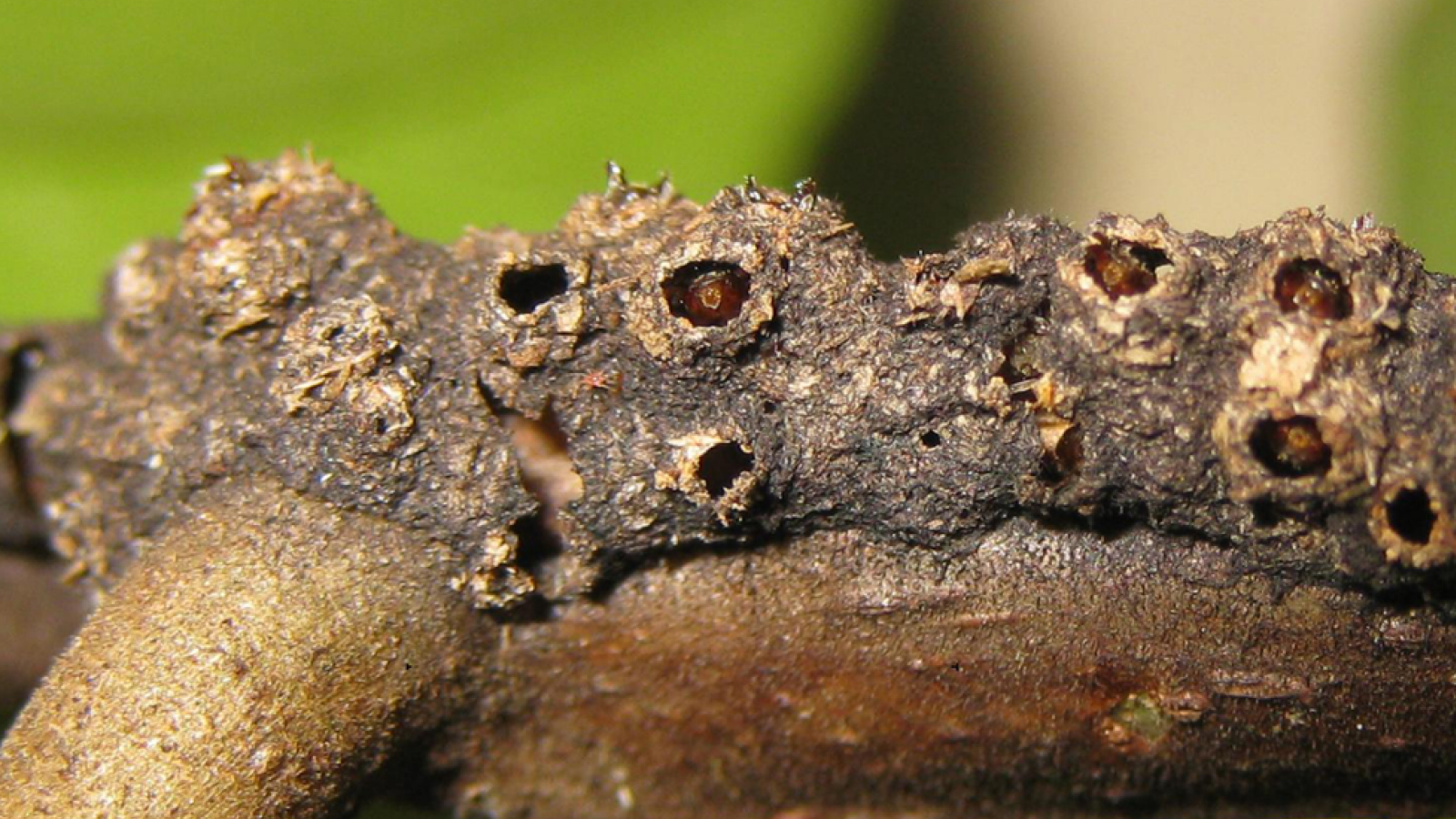
Alarmed workers wait with open mandibles below the holes for prey or intruders.
Males , meanwhile , are tiny , at just 0.06 inch ( 1.6 mm ) , belike because they have no demand to hunt down big prey .
Fishing lines and glowing butts
In the dark caves of New Zealand , tiny animate being weave mesmerizing traps with a touch of bioluminescent magic .
These glow louse are not dead on target worms , but are rather the larva of a species of adult fungus gnat calledArachnocampa luminosa .
The larvae rope the top of caves or endure in wet bushes . From their mouths , they construct"fishing lines"of beaded mucusup to 20 inch ( 50 cm ) long that they use to hook small flying insect such as mayfly , moths and midge . A single nest can produce up to 150 long chain , grant to a2016study . The larvae draw in these flies with their blue - green bioluminescent ass . The fishing line is then reeled straight into their mouth . A. luminosaonly wipe out during this part of their life cycle , whichcan last up to 9 calendar month .
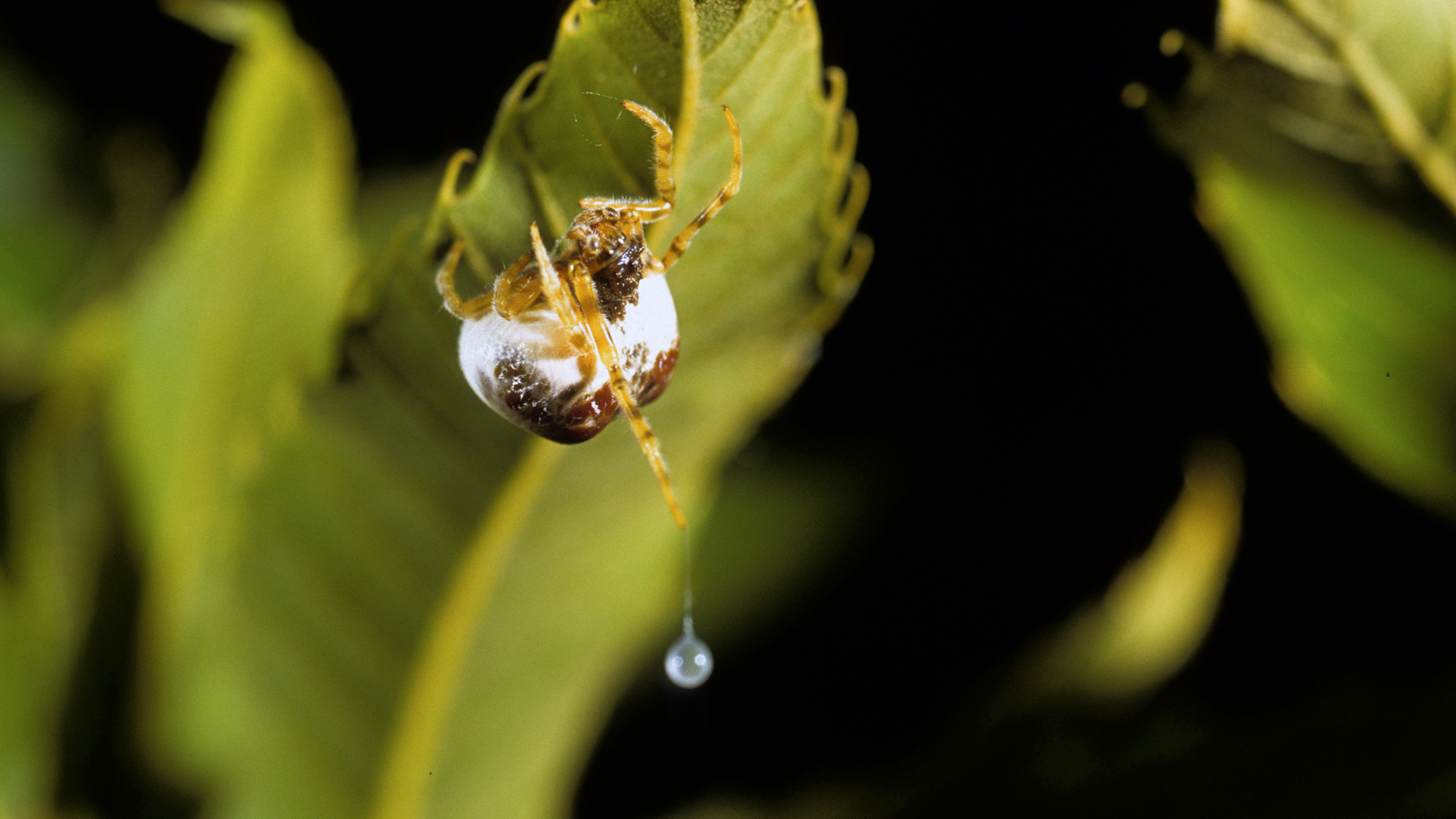
The bolas spider is a member of the orb-weaver spider family, Araneidae.
The snake that looks like a spider
Spider - tailed horned viper ( Pseudocerastes urarachnoides ) are unbelievable mimics constitute in western Asia . As the name paint a picture , they have a alone tail that looks like a spider — it has a medulla oblongata - like end comprehend in stretch out scales that sting out mime the form of a spider ’s trunk .
The spider - like tail quivers across the floor tempt lounge lizard , rodents and sometimes birds who cogitate the wanderer is lunch . When the quarry is distracted by the " wanderer " on the snake ’s tail , the snake pounces .
Baby-saving ploy
Margays ( Leopardus wiedii ) , small fantastic guy that go throughout Central and South America , utilise the instinct of adults to total to the aid of minor to tempt in their target .
Margays let out shriek thatmimic the sound of a pied lion marmoset scamp infant(Saguinus bicolor ) . This alerts the grownup , who guess toward the call to rescue the pup . Once the grownup are close enough , the margay pounces .
Local Amazon jungle inhabitants have long find out the margay ’s watchword in the Nox , but the first scientific observation of the mimicking call was only recorded in2009 , after locals told scientist that mimic vocalizations were a common predation proficiency of qat in the surface area .
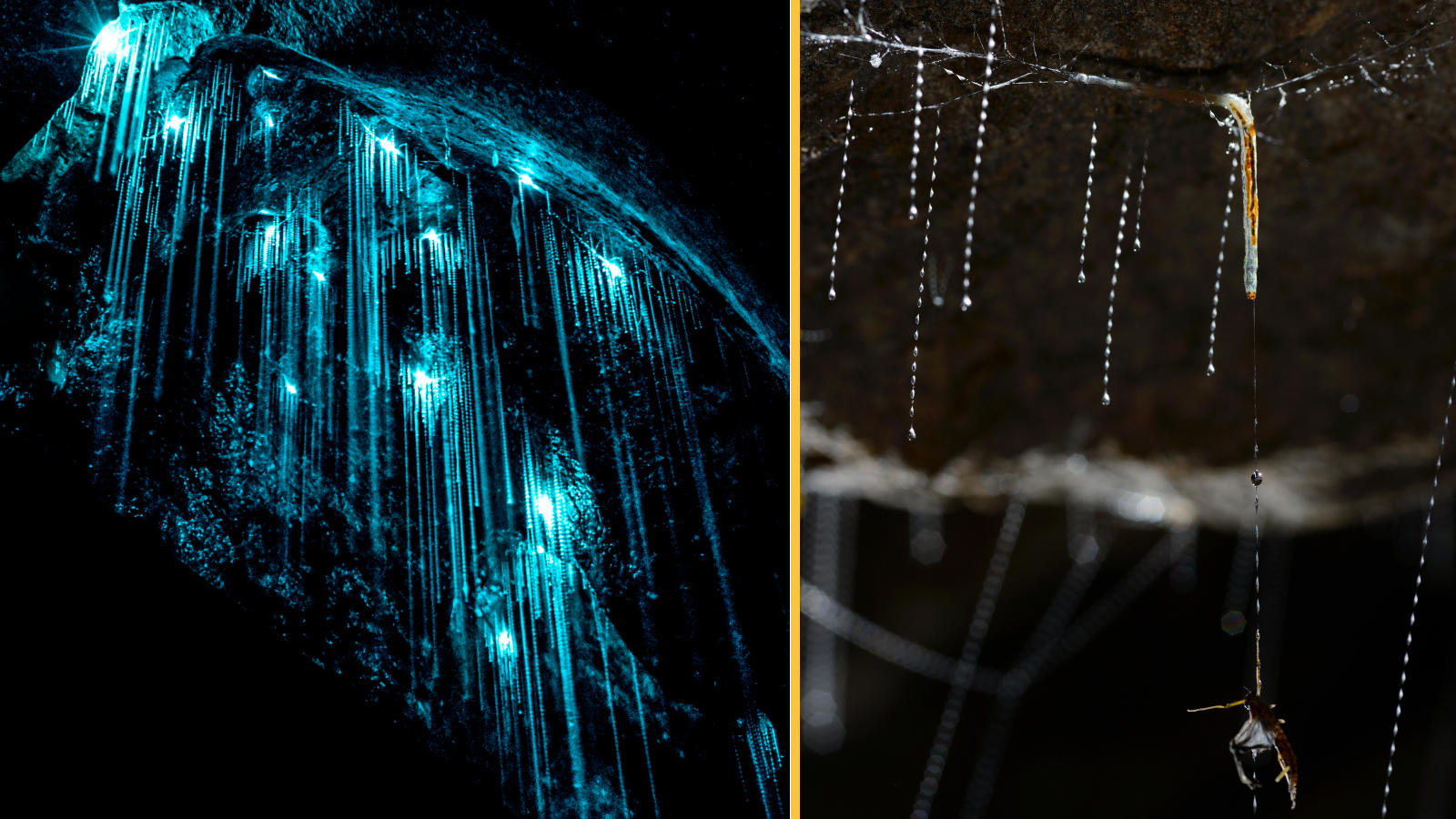
Glow worms are not worms at all, but the larval stage of a flying insect calledArachnocampa luminosa, that are a type of fungus gnat.
The bird that uses bait to fish
The green heron(Butorides virescens ) , which lives across North and South America , fishes for its food in a like way to humans . They immature - and - chocolate-brown razz perch above Ngaio Marsh and drop in garbage of bread , insect and feathers to lure curious Pisces the Fishes . Once Pisces the Fishes gather , the Hero apply its piercing beak to snatch Pisces out of the weewee .
The turtle with a tricky tongue
gator snapping turtle ( Macrochelys temminckii ) are the large species of fresh water turtles , found alone in freshwater rivers of America . The common name come from the large ridgeline on the back of their hard shell that make them look , from the top , like an alligator , according toNorth Carolina Zoo .
Their spiked carapaces and dull - colored bodies serve them blend into the muddy underside of rivers where they sit around motionless submerged with their mouthpiece wide open . Their tongue is specifically adapted to look like a petite worm that wriggles to tempt Pisces the Fishes inside its jaws .
With a bite force of 1,000 pounds ( 450 kilograms ) , the fooled Pisces are quickly captured and eaten .

The spider-tailed horned viper (Pseudocerastes urarachnoides) use aggressive mimicry to fool their prey.
Sandpit traps
In quick and desiccated orbit of the world , deadly larva of antlions ( Myrmeleontidae ) make inescapable sand pits that pin modest worm , mostly emmet .
— Slow - apparent movement footage of snake flack reveals surprise breakthrough about how they kill
— Alpha Pan troglodytes steals eagle ’s dinner in ' phantasmagoric and exhilarating ' forest skirmish

Green herons (Butorides virescens) are one of the few species of birds that use tools to catch fish.
— Extinct ' hypercarnivorous ' California silvertip bear were actually mostly vegetarian before Europeans usher up
In areas of easy soil or sand , the antlion go in circular motions to make a funnel - shaped cavity . The antlion larva buries itself at the bottom of the pit , look patiently for an insect to fall in . The larva then savvy infalling insects with its jaws .
If the quarry attempts to escape , the larva uses its brain to violently fling sand , creatingmini landslide that drop back the worm back .

Although this hunting scheme is well - jazz in antlions , only around a third of Myrmeleontid species are sleep together to use pit , according to a2019study . Most larvae actively chase their prey or bury themselves under soil , folio and dry Sir Herbert Beerbohm Tree kettle of fish and lie in time lag to ambush their prey .

Some species of antlion larva (Myrmeleontidae) create sand pits in loose sediment to trap their prey, most commonly ants.


